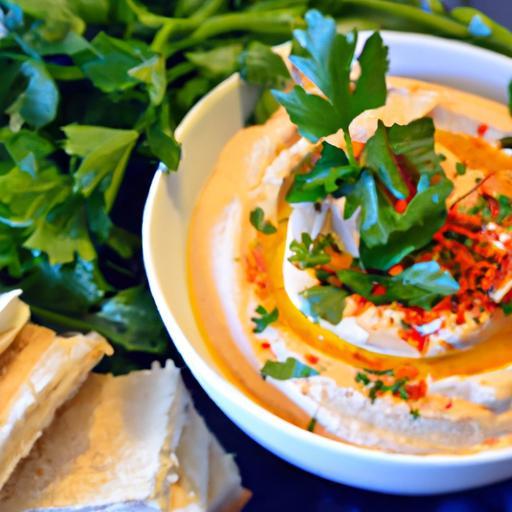
Discover Muhammara: The Vibrant Syrian Red Pepper and Walnut Dip
In the rich tapestry of Levantine cuisine, few dishes capture the imagination and tantalize the taste buds quite like muhammara. This exquisite Syrian red pepper and walnut dip, a true jewel from Aleppo, is celebrated for its striking crimson hue, velvety texture, and an unforgettable flavor profile that dances between sweet, tangy, smoky, and subtly spicy notes. More than just an appetizer, muhammara is an experience – a culinary journey rooted in ancient traditions and a testament to the vibrant gastronomic heritage of the Middle East.
As Western palates increasingly seek out authentic international flavors, muhammara has emerged from the shadow of more familiar dips like hummus and baba ganoush to claim its rightful place as a beloved staple. Its unique complexity and versatility make it a standout addition to any table, promising a taste adventure that is both comforting and exhilarating.
The Essence of Muhammara: A Symphony of Flavors and Its Syrian Roots
At its heart, muhammara is a symphony of meticulously balanced ingredients, each playing a crucial role in creating its distinctive character. The name itself, derived from the Arabic word muḥammara (محمرة), meaning "reddened" or "brick-colored," is a direct nod to its signature vibrant shade, primarily achieved through the generous use of roasted red bell peppers.
The origins of this cherished dip trace back to the ancient city of Aleppo, Syria, a historic crossroads of trade and culture that flourished during the Ottoman era. Aleppo’s strategic position on routes like the Silk Road facilitated the exchange of spices, nuts, and diverse ingredients, enriching its culinary landscape. Food historians suggest that muhammara has been gracing tables since at least the 18th century, with its creation made possible by the introduction of chili peppers to the Ottoman Empire in the 16th century. This history underscores its deep roots within a region renowned for its sophisticated gastronomic traditions.
The flavor profile of muhammara is remarkably complex, offering a sensory journey with every bite:
- Sweetness: Primarily from the roasted red bell peppers, which caramelize and intensify in flavor.
- Tanginess: A signature contribution from pomegranate molasses (dibs rumman), which also adds a nuanced fruitiness.
- Smokiness: Achieved through the roasting of the peppers, sometimes enhanced by a touch of smoked paprika, though traditionally less common.
- Nutty Richness: Generous amounts of toasted walnuts provide a satisfying depth and delightful texture.
- Mild Heat: Traditionally from Aleppo pepper, offering a gentle, fruity warmth rather than an overpowering burn.
- Savory Depth: Garlic, olive oil, and sometimes a touch of cumin or other spices round out the profile.
This masterful blend of flavors makes muhammara truly unforgettable. For a deeper dive into its historical journey and cultural significance, explore Muhammara: Aleppo's Ancient Mezze and Symbol of Hospitality.
Crafting the Perfect Dip: Key Ingredients and Their Roles
While the exact ratios may vary from family to family, the core components of muhammara remain consistent, each contributing essential texture and flavor:
The Foundation: Roasted Red Bell Peppers
These are the soul of muhammara. Roasting the peppers not only imparts a beautiful char and a subtle smokiness but also intensifies their natural sweetness, making them incredibly flavorful and easy to blend into a smooth base. Opting for fresh, vibrant red bell peppers is crucial for the best color and taste.
The Crunch and Creaminess: Toasted Walnuts
Toasted walnuts are indispensable. They provide a vital textural contrast, a rich, earthy flavor, and help to thicken the dip. Toasting the walnuts before incorporating them is a non-negotiable step; it enhances their natural oils and deepens their nutty aroma, elevating the overall taste significantly.
The Tangy Star: Pomegranate Molasses
This thick, syrupy condiment made from reduced pomegranate juice is a secret weapon in Levantine cuisine. In muhammara, pomegranate molasses delivers that essential tangy counterpoint to the peppers' sweetness, adding a complex fruity depth and a hint of sourness that truly makes the dip sing. It's often the ingredient that leaves first-time tasters intrigued.
The Binder: Breadcrumbs
Breadcrumbs are used to achieve muhammara's characteristic thick, spreadable texture. They absorb excess moisture and help bind all the ingredients together, ensuring the dip isn't too runny. Traditionally, stale pita or rustic bread is often used, providing a fine texture.
The Aromatics and Spice: Garlic and Aleppo Pepper
Fresh garlic adds a pungent, savory backbone, while Aleppo pepper is the authentic spice that lends its unique fruity, earthy flavor with a mild, nuanced heat. Unlike cayenne or standard red pepper flakes, Aleppo pepper offers a gentle warmth that complements rather than overwhelms the other ingredients. If Aleppo pepper is unavailable, a combination of sweet paprika and a pinch of red pepper flakes can be a substitute, though the flavor profile will differ slightly. A high-quality extra virgin olive oil binds everything together, adding richness and a silky finish.
Achieving the perfect muhammara is about balancing these elements, often adjusted to personal preference. To further appreciate the intricate balance of these components, delve into Muhammara Unveiled: Exploring Its Sweet, Tangy, Smoky Flavors.
More Than Just a Dip: Cultural Significance and Culinary Versatility
In Syrian and broader Levantine culture, muhammara holds a special place beyond its delicious taste. It is a symbol of hospitality, often featured prominently on mezze platters during communal meals and festive gatherings. Mezze, in itself, is more than just a collection of small dishes; it's a social ritual – a way of lingering over food and conversation, encouraging sharing and connection.
Muhammara's inviting aroma and vibrant color make it an instant focal point, inviting guests to gather and partake. Its presence on a mezze spread alongside other beloved dips like hummus and baba ganoush, or vibrant salads such as tabbouleh, transforms a meal into an unhurried, shared experience that celebrates togetherness.
Beyond the Mezze Platter: Modern Applications
While traditionally served with warm pita bread or fresh crudités, muhammara's versatility extends far beyond the conventional:
- Elevated Sandwich Spread: Ditch the mayonnaise and spread muhammara on sandwiches or wraps for a burst of flavor. It pairs exceptionally well with grilled chicken, falafel, or roasted vegetables.
- Burger Topping: A generous dollop of muhammara on a burger adds an unexpected gourmet touch, offering tang and richness.
- Sauce for Grilled Meats and Fish: Its complex flavor profile makes it an excellent accompaniment to grilled lamb, chicken, or even flaky white fish.
- Pasta Sauce Base: Thin it out with a little pasta water or vegetable broth, and use it as a unique, flavorful sauce for pasta.
- Toast Topper: A quick and delicious snack, spread on crusty bread and perhaps topped with a fried egg.
- Roasted Vegetable Enhancer: Drizzle or dollop over roasted broccoli, cauliflower, or sweet potatoes for an extra layer of flavor.
Its widespread appeal has led to regional variations, with some parts of Turkey incorporating different local spices or adjusting the level of spiciness, showcasing its adaptability and enduring charm.
Bringing Muhammara to Your Table: Tips and Serving Suggestions
Making muhammara at home is a rewarding experience, allowing you to control the freshness and quality of ingredients. Here are some tips to help you achieve a truly spectacular dip:
- Roast Your Peppers Well: For maximum flavor and ease of peeling, ensure your red bell peppers are thoroughly charred. You can do this under a broiler, on a grill, or even over an open flame. Once charred, immediately transfer them to a bowl and cover with plastic wrap for 15-20 minutes to steam, which makes peeling effortless.
- Toast Walnuts to Perfection: Gently toast walnuts in a dry skillet over medium heat until fragrant, being careful not to burn them. This step significantly amplifies their nutty flavor.
- Balance is Key: Taste your muhammara as you blend. You might want to adjust the amount of pomegranate molasses for more tang, add a touch more Aleppo pepper for extra warmth, or a drizzle of olive oil for silkiness.
- Don't Skimp on Olive Oil: A good quality extra virgin olive oil is not just for lubrication; it contributes significantly to the flavor and luscious texture of the dip.
- Garnish for Impact: Presentation matters! Garnish your finished muhammara with a swirl of extra virgin olive oil, a sprinkle of chopped walnuts, a few pomegranate seeds, or fresh herbs like parsley or mint.
Storage and Longevity
Muhammara tastes even better the next day as the flavors meld and deepen. Store it in an airtight container in the refrigerator for up to 5-7 days. A thin layer of olive oil on top can help preserve its freshness and color.
From the bustling souks of Aleppo to modern kitchens across the globe, muhammara stands as a testament to the enduring appeal of traditional Levantine cuisine. Its rich history, complex flavor profile, and incredible versatility make it a dish truly worth discovering and savoring. Whether enjoyed as part of an elaborate mezze spread or as a simple, flavorful accompaniment to your everyday meals, muhammara invites you to taste a piece of Syrian culinary heritage. Embrace its vibrant allure and let this exquisite red pepper and walnut dip redefine your culinary horizons.
