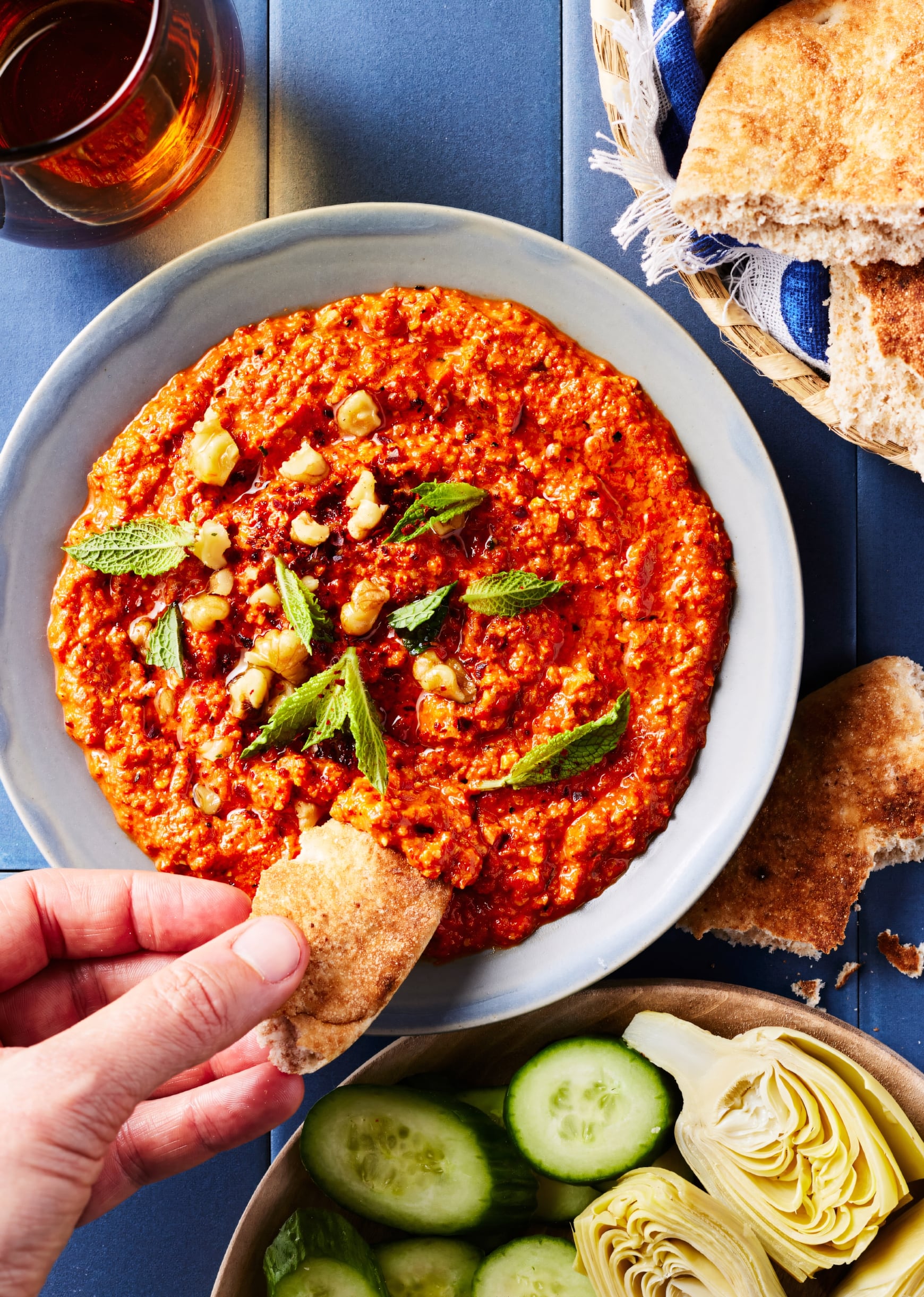
Muhammara: Aleppo's Ancient Mezze and Symbol of Hospitality
In the rich tapestry of Levantine cuisine, few dishes capture the essence of tradition, flavor, and cultural significance quite like muhammara. This vibrant red dip, hailing from the historic city of Aleppo in Syria, is far more than just an appetizer; it is a culinary masterpiece, a symbol of generous hospitality, and a testament to centuries of gastronomic heritage. With its distinctive sweet, tangy, smoky, and subtly spicy profile, muhammara offers an unparalleled sensory experience, inviting diners to linger, share, and connect over a truly ancient mezze.
The Story Behind the Red: Origins of Muhammara
The very name muhammara, meaning "reddened" or "brick-colored" in Arabic, beautifully encapsulates its striking visual appeal. Derived from the Arabic root ḥ-m-r, which intrinsically relates to the color red, the name directly references the dish's signature hue, primarily achieved through its key ingredient: roasted red bell peppers. This etymological connection underscores how deeply the dish's identity is tied to its most prominent characteristic.
The journey of muhammara began in Aleppo, a city renowned for its profound culinary heritage and strategic position as a bustling trade hub during the Ottoman era. Situated at the crossroads of ancient trade routes like the fabled Silk Road, Aleppo flourished as a melting pot of cultures, spices, and ingredients from Asia, Europe, and the Mediterranean. This rich environment provided the perfect incubator for the development of complex and flavorful dishes. Food historians suggest that muhammara has graced tables since at least the 18th century, its creation made possible by the introduction of chili peppers to the Ottoman Empire in the 16th century. These new ingredients, combined with Aleppo's existing wealth of nuts, oils, and other spices, allowed for the invention of this enduring dip, reflecting the region's longstanding gastronomic traditions shaped by imperial influences across the Levant.
A Symphony of Flavors: Key Ingredients and Their Role
What truly sets muhammara apart is its complex interplay of flavors, a masterful balance of sweetness, tanginess, smokiness, and a gentle heat. This intricate profile is born from a precise combination of core ingredients, each contributing a vital note to the overall harmony:
- Roasted Red Bell Peppers: These are the undisputed stars of the show, providing the foundation of muhammara's vibrant color and its inherent sweetness. Roasting the peppers not only intensifies their natural sugars but also imparts a crucial smoky depth, elevating the dip beyond a simple vegetable purée.
- Toasted Walnuts: Adding a rich, earthy nuttiness and a delightful textural contrast, toasted walnuts are essential. Toasting them before blending amplifies their flavor and aroma, preventing any raw bitterness.
- Pomegranate Molasses: This thick, tangy syrup is a cornerstone of Levantine cuisine and a critical element in muhammara. It introduces a unique sweet-sour tang that cuts through the richness, balancing the other ingredients and adding a characteristic depth. The quality of your pomegranate molasses can significantly impact the final flavor.
- Breadcrumbs: Often overlooked but vital, breadcrumbs act as a binder and thickener, giving muhammara its characteristic thick, spreadable texture. They absorb moisture and help to integrate all the flavors, ensuring a smooth yet substantial dip. Fresh breadcrumbs often yield a superior texture.
- Good Quality Olive Oil: Extra virgin olive oil contributes to the dip's smooth mouthfeel and rich flavor. It emulsifies the ingredients and adds a characteristic Mediterranean note. Drizzling a little extra over the finished dish is a common and recommended practice.
- Garlic: A staple in most savory dips, garlic provides an aromatic pungency that brightens the overall flavor profile without overpowering it.
- Aleppo Pepper: This mildly spicy chili, unique to the region, is the soul of muhammara's subtle heat and fruity, earthy undertones. Its flavor is distinct from regular chili flakes, offering warmth without aggressive fire. While authentic Aleppo pepper can be hard to source globally due to regional availability issues, substitutes like a blend of sweet paprika and a pinch of cayenne or standard red pepper flakes can be used, though they won't replicate the exact nuanced flavor.
Some variations may also incorporate a touch of cumin, coriander, or allspice, as noted in various regional adaptations, further enriching the flavor tapestry. The magic truly lies in how these diverse elements are blended to create a balanced, irresistible spread. For a deeper dive into these complex tastes, consider exploring Muhammara Unveiled: Exploring Its Sweet, Tangy, Smoky Flavors.
More Than a Dip: Muhammara's Cultural Significance and Versatility
In Syrian and broader Levantine culture, muhammara holds a place of honor, symbolizing generosity and warm hospitality. It is a quintessential component of the mezze platter – a collection of small dishes designed not just for eating, but for "languorously lingering over food and conversation," turning a meal into an unhurried, shared experience. Alongside other beloved dips like hummus and baba ganoush, muhammara encourages communal dining, facilitating interaction and strengthening social bonds around the table, often during festive gatherings and family meals.
Traditionally, muhammara is served with warm pita bread, allowing diners to scoop up its vibrant goodness. It also pairs beautifully with crisp crudités, offering a refreshing contrast to its richness. Beyond a simple dip, its robust flavor profile makes it an excellent accompaniment to grilled meats, adding a complex layer of taste. As its popularity has soared globally, muhammara's versatility has expanded into modern culinary applications. It makes an incredible spread for sandwiches and wraps, a flavorful topping for grilled vegetables, or even a unique sauce for pasta. Some innovative chefs even use it as a vibrant base for canapés or as a spread for cheese boards, demonstrating its enduring appeal and adaptability in both traditional and contemporary settings. To fully appreciate its widespread charm and adaptability, you might want to Discover Muhammara: The Vibrant Syrian Red Bell Pepper and Walnut Dip in all its glory.
Crafting Your Own Muhammara: Tips for the Home Cook
While muhammara might seem sophisticated, creating it at home is a rewarding experience that allows you to tailor the flavors to your preference. Here are some practical tips for crafting an authentic and delicious batch:
- Perfecting the Peppers: Don't rush the roasting process. Charring the red bell peppers until their skins are blackened and blistered is key. This not only makes them easy to peel but, more importantly, infuses them with a crucial smoky flavor that is central to muhammara's character. After roasting, place them in a sealed bowl or paper bag for 10-15 minutes to steam, which loosens the skins further.
- Toast Your Walnuts: Always toast your walnuts. A few minutes in a dry pan or a hot oven will bring out their natural oils, intensifying their flavor and ensuring they contribute a deep, nutty note rather than a bland or slightly bitter one.
- The Power of Pomegranate Molasses: Taste as you go! Pomegranate molasses varies in intensity. Start with the suggested amount and add more gradually if you desire a tangier profile. It’s easier to add than to remove.
- Breadcrumbs for Texture: While any breadcrumbs work, using fresh breadcrumbs (made from day-old bread) often yields a smoother, more integrated texture compared to dry, crispy ones. Adjust the quantity to achieve your desired consistency – thick and spreadable, not watery.
- Seasoning and Spice: If authentic Aleppo pepper is elusive, create your own blend. A mix of sweet paprika for color and a pinch of cayenne or fine red pepper flakes for heat can work. Consider adding a tiny pinch of ground cumin or a dash of sumac for extra depth, enhancing the Levantine character.
- Quality Olive Oil Matters: Use a good quality extra virgin olive oil. It's a significant flavor component, not just a binder. Drizzle generously over the finished dip before serving for presentation and taste.
- Rest for Flavor Development: Like many dips and spreads, muhammara benefits greatly from resting. Allowing it to chill in the refrigerator for at least an hour, or even overnight, gives the flavors time to meld and deepen, resulting in a more harmonious and complex taste.
Making muhammara at home allows for experimentation and customization, transforming your kitchen into a miniature Aleppian souk of aromas and flavors.
Conclusion
From the ancient bazaars of Aleppo to modern global tables, muhammara remains an enduring culinary treasure. Its journey from a simple mix of roasted peppers and walnuts to a symbol of Levantine hospitality speaks volumes about its rich history and irresistible appeal. With its complex medley of sweet, tangy, smoky, and spicy notes, muhammara is more than just a dip; it's an invitation to explore a vibrant culture, share a meal with loved ones, and savor a truly unique taste sensation. Whether you're a seasoned chef or a curious home cook, discovering muhammara promises a rewarding culinary adventure that will undoubtedly enrich your palate and your table.
